
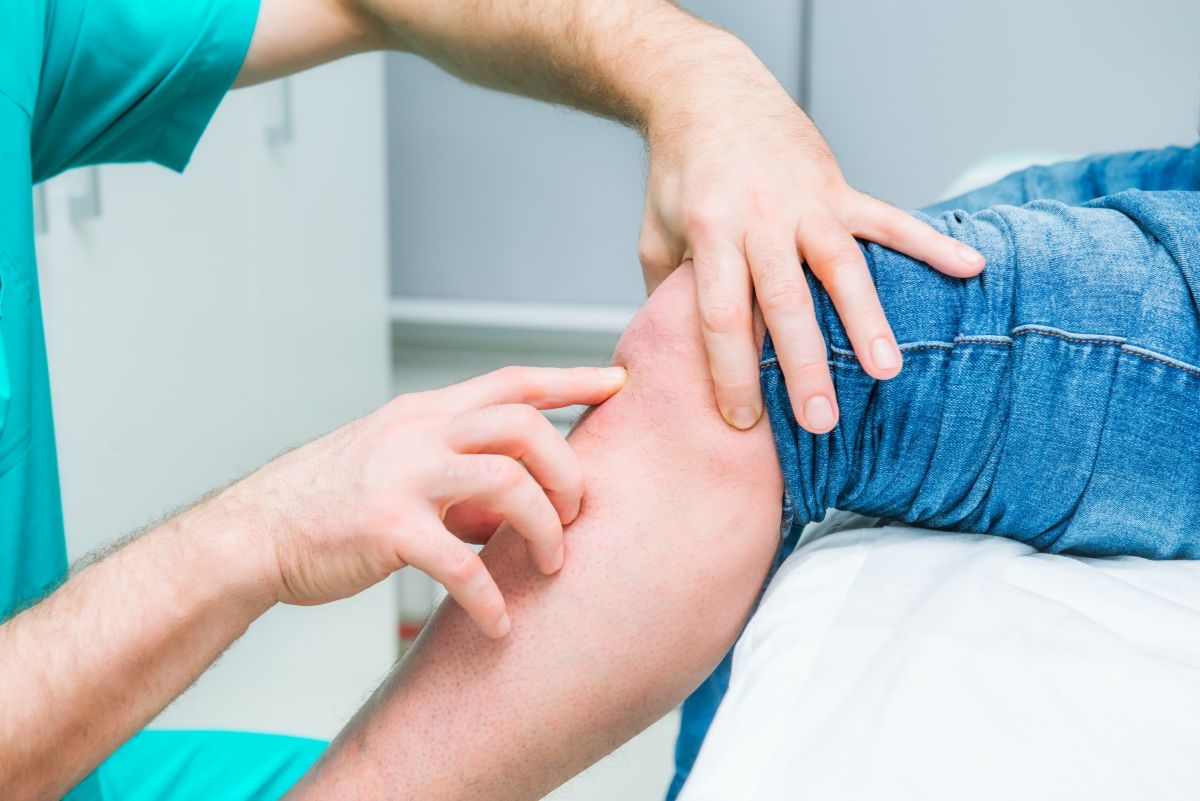
Peripheral nerve disorders affect the nerves responsible for sensation, movement, and other essential body functions. These conditions can involve nerves in the face, arms, legs, and torso, causing pain, numbness, weakness, and difficulties with everyday activities.
At Haynes Neurosurgical Group, our experienced neurosurgeons provide specialized care for peripheral nerve disorders. We combine detailed diagnostic evaluations with individualized treatment planning, using non-surgical management and advanced neurosurgical techniques when appropriate.
The peripheral nervous system consists of nerves that carry messages between the brain, spinal cord, and the rest of the body. These nerves control movement, transmit sensations such as pain, heat, and cold, and help regulate involuntary functions, including heartbeat and digestion.
Peripheral neuropathy occurs when one or more peripheral nerves are damaged. This means that the affected nerves may transmit messages inaccurately or cease to function altogether. This can result in symptoms such as:
Neuropathy can develop from various causes, including diabetes, infections, injuries, nerve compression, and other underlying medical conditions. More than 100 types of peripheral neuropathy have been identified, with symptoms varying according to the nerves affected and the extent of the damage.
Peripheral nerve disorders can affect sensory and motor functions in different areas of the body. At Haynes Neurosurgical Group, our neurosurgeons evaluate and treat a range of nerve-related conditions.
Compression of the median nerve in the wrist, causing symptoms like numbness, tingling, and pain in the hand and fingers.
Entrapment or compression of the median nerve at different locations along its pathway, potentially causing pain, numbness, or weakness in the arm and hand.
Compression or irritation of the ulnar nerve, often leading to symptoms like tingling and weakness in the hand.
Compression or irritation of the sciatic nerve, resulting in numbness, tingling, and pain along the sciatic nerve's path, typically in the lower back, buttocks, and legs.
Compression of the ulnar nerve at the elbow, leading to numbness and tingling in the ring and little fingers.
Compression of the radial nerve, causing symptoms like pain, weakness, and numbness in the arm and hand.
Compression, inflammation, or injury to a spinal nerve root, often leading to pain, weakness, and numbness along the nerve's pathway.
Abnormal growths that develop within or around peripheral nerves. Depending on their size and location, these tumors may compress nearby nerves, causing pain, weakness, or sensory changes.
Each condition requires careful evaluation to identify the affected nerve, determine the underlying cause, and select appropriate treatment options.
At Haynes Neurosurgical Group, our neurosurgeons use detailed clinical assessments and specialized diagnostic tests to understand the nature and extent of nerve-related conditions.
Our evaluation may include:
Reviewing your symptoms, their duration and progression, previous treatments, and underlying medical conditions that may contribute to nerve damage.
Assessing muscle strength, sensation, reflexes, and movement to identify potential areas of nerve dysfunction.
These tests help assess electrical activity in muscles and how effectively nerves transmit signals. They can help identify affected nerves, determine the extent of nerve damage, and distinguish between certain nerve and muscle disorders.
MRI and CT scans provide detailed views of relevant structures and may help identify nerve compression, tumors, spinal abnormalities, or other conditions affecting nerve function.
Our neurosurgeons use these findings to determine whether symptoms are caused by nerve compression, injury, or another underlying condition. This helps guide treatment decisions and identify when surgical intervention may be appropriate.
At Haynes Neurosurgical Group, we offer treatment options based on the type, location, and severity of the nerve disorder. Our approach includes non-surgical management and specialized neurosurgical interventions to help alleviate symptoms and support nerve function.
Depending on the condition and severity of symptoms, non-surgical treatments may include:
Our neurosurgeons assess your condition and response to treatment to determine whether continued non-surgical care is appropriate.
When surgery is necessary, our experienced neurosurgeons perform precise procedures, such as nerve decompression and tumor resection. Depending on the condition, we use advanced techniques to improve surgical accuracy and minimize disruption to surrounding tissues.
These use specialized microscopes for precise procedures involving delicate nerve structures.
This technology helps with surgical precision, making it valuable for procedures involving nerve structures.
IGS uses advanced imaging to provide real-time guidance during surgery, enhancing the accuracy of procedures for nerve disorders.
This imaging technique can be useful during surgery to accurately visualize and navigate nerve structures.
Robotic assistance in spine surgery can enhance precision and reduce procedural invasiveness, potentially benefiting certain cases of peripheral neuropathy.
This radiation therapy technique may be considered in specific cases, especially when tumors or lesions affect peripheral nerves.
Our neurosurgeons determine the appropriate approach based on the affected nerve, the condition's location and severity, and your overall neurological health.
Recovery varies depending on the condition, extent of nerve damage, and treatment performed. Some patients may require ongoing monitoring and rehabilitation to support healing and restore function.
At Haynes Neurosurgical Group, we provide postoperative follow-up and help coordinate rehabilitation when appropriate. Depending on your needs, rehabilitation may focus on improving strength, mobility, coordination, and the ability to perform everyday activities.
Our goal is to support your recovery, improve neurological function where possible, and help you regain independence and quality of life.
Peripheral nerve disorders can affect sensory and motor functions, making everyday activities difficult and impacting quality of life.
At Haynes Neurosurgical Group, we combine advanced neurosurgical technologies with a patient-focused approach to treating peripheral nerve disorders. Our experienced neurosurgeons provide specialized care tailored to each patient's condition, with the goal of improving neurological function and overall well-being.
To schedule a consultation with one of our experts, call us at (205) 787-8676 or request an appointment online.
Phone: (205) 787-8676
Fax: (205) 785-7944
801 Princeton Avenue, S.W.
Suite 310
Birmingham, AL 35211
Located on Floor 3 of Professional Office Building 1.


