
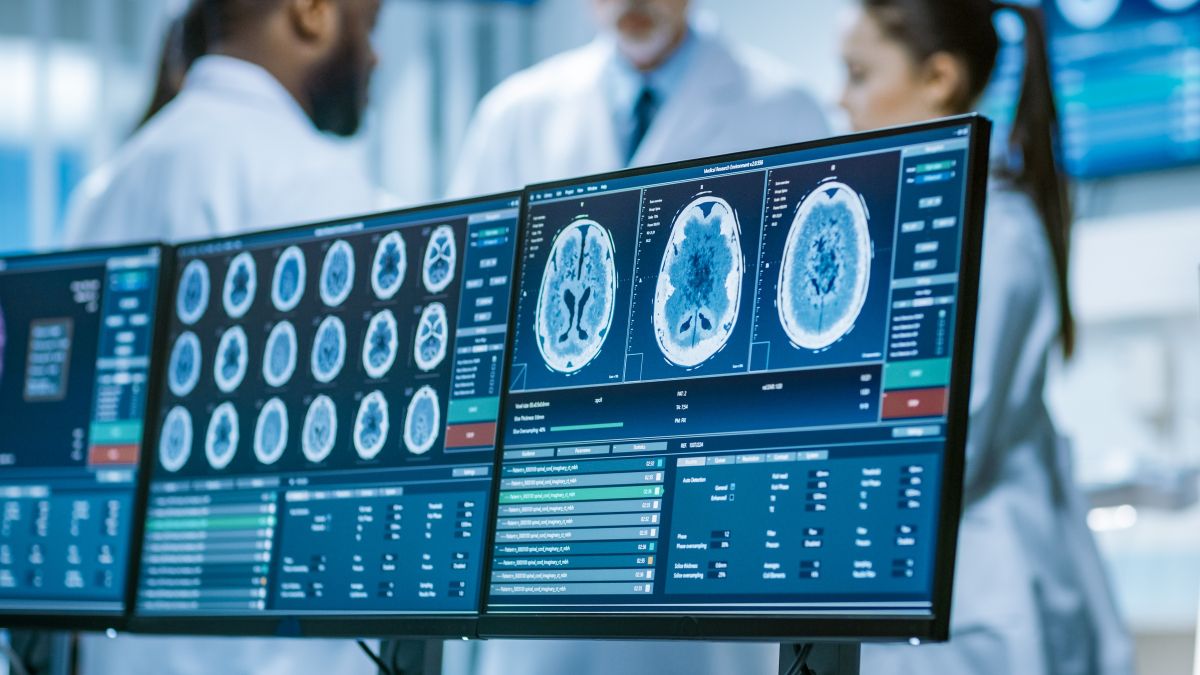
A diagnosis involving a brain or spinal tumor or lesion can raise concerns about your neurological health, treatment options, and whether surgery may be needed. Since these conditions can affect sensitive structures within the nervous system, specialized evaluation and careful treatment planning are essential.
At Haynes Neurosurgical Group, we provide specialized neurosurgical care for tumors and lesions affecting the brain and spine. Our neurosurgeons combine advanced surgical techniques, specialized training, and a compassionate approach to address complex neurological conditions while considering the protection of surrounding healthy tissue and neurological function.
Tumors and lesions are abnormalities that may develop in or around the brain and spine, potentially affecting surrounding tissues and neurological function.
Brain lesions may disrupt electrical and chemical signaling, sometimes causing stroke-like neurological symptoms. Depending on their location and characteristics, tumors and lesions may cause neurological symptoms such as:
At Haynes Neurosurgical Group, we evaluate brain tumors, spinal cord tumors, cysts, and other neurological lesions. We consider your symptoms and the location and characteristics of the abnormal tissue to determine appropriate treatment options.
Treating tumors and lesions requires more than addressing abnormal tissue. It also involves understanding how the condition affects nearby neurological structures and determining an approach that considers both treatment goals and the preservation of healthy tissue.
At Haynes Neurosurgical Group, we combine specialized neurosurgical expertise, advanced diagnostic technologies, and individualized surgical planning to manage complex brain and spinal conditions.
Established in 1954, Haynes Neurosurgical Group brings decades of experience in treating complex conditions affecting the brain, spine, and nervous system.
Our neurosurgical team combines specialized expertise in neurosurgical oncology, microsurgical neuroanatomy, and microneurosurgery with advanced surgical techniques to evaluate and treat challenging brain and spinal tumors and lesions.
This depth of expertise supports precise surgical planning and treatment, with careful consideration of surrounding healthy tissue and neurological function.
Different regions of the brain and spine control specific functions and movement. This makes the location, size, and characteristics of a tumor or lesion important considerations in treatment planning.
We use specialized diagnostic imaging to evaluate these factors, including:
Provides detailed images of brain and spinal structures to help identify and evaluate tumors and lesions
Helps assess structural abnormalities, including changes involving bone and other tissues
Provide information about blood vessels and their relationship to certain tumors or lesions
These findings, together with your symptoms and medical history, help our neurosurgeons plan an appropriate treatment approach.
One of the central challenges in brain and spinal tumor surgery is addressing abnormal tissue while minimizing damage to surrounding healthy structures.
We use advanced surgical techniques and technologies to support:

Reaching affected areas while minimizing disruption to surrounding tissue
Considering and preserving vital structures involved in movement, sensation, speech, and other neurological functions
Determining whether complete removal, partial resection, or a biopsy is appropriate based on the tumor's location and characteristics
Our focus is on addressing the tumor or lesion while minimizing potential effects on neurological function.
Treatment for brain and spinal tumors or lesions depends on the diagnosis, location, size, and potential effects on neurological function. Depending on the condition, we consider a range of treatment options, including surgery, radiation therapy, chemotherapy, or targeted therapies. These approaches may be considered individually or as part of a broader treatment plan.
At Haynes Neurosurgical Group, we provide specialized surgical care using techniques selected according to the characteristics of the tumor or lesion.
Surgical removal may be considered to address abnormal tissue, reduce pressure on surrounding structures, or obtain tissue for further evaluation. Our surgical approaches include:
Precise removal of lesions to alleviate symptoms and improve overall function.
Surgical removal of tumor mass in the brain to address symptoms and improve quality of life, focusing on precision and optimal outcomes.
Removal of tumor tissue, with the extent of resection determined by its location, characteristics, and proximity to important neurological structures.
We consider minimally invasive approaches whenever feasible to treat brain and spinal tumors and lesions. Our neurosurgeons use specialized surgical techniques and technologies to access affected areas, guide precise tumor removal, and minimize disruption to surrounding healthy tissue.
Robotic systems assist with selected neurosurgical procedures, supporting precise instrument positioning and surgical access.
Surgical microscopes and specialized instruments provide magnified visualization of delicate brain and spinal structures.
This technique allows our neurosurgeons to map brain function while the patient is awake, helping identify and protect areas responsible for speech, movement, and other essential functions.
A camera-equipped endoscope allows our neurosurgeons to visualize and access certain areas of the brain or spine through specialized surgical approaches.
Preoperative imaging and surgical navigation technologies help our neurosurgeons identify anatomical structures and guide instrument placement.
This minimally invasive approach uses smaller, targeted surgical openings to access selected brain lesions while limiting disruption to surrounding tissues.
Fluorescent agents and specialized visualization equipment help distinguish abnormal tissue from surrounding structures during tumor removal.
This surgical visualization agent helps certain high-grade glioma tissue fluoresce under specialized lighting, assisting with tumor identification and removal.
The objective of tumor surgery is not always complete removal. Depending on the patient's unique condition, different surgical goals may be considered.
The biggest challenge in tumor surgery is to achieve maximal tumor removal while minimizing damage to normal brain and spine tissue. This requires not just skill and experience but also access to advanced technology that seamlessly connects and enhances treatment precision.
At Haynes Neurosurgical Group, you can rest assured that our neurosurgeons will navigate the complexities of tumor surgery with skill, advanced technology, and an unwavering dedication to your optimal health.
If you’ve been diagnosed with a brain or spinal tumor or lesion, we can help. At Haynes Neurosurgical Group, we combine specialized neurosurgical oncology expertise, advanced surgical techniques, and personalized care to help patients navigate these complex conditions.
Our seasoned neurosurgeons use highly advanced technologies and employ a patient-centric ethos at Alabama’s premier neurosurgical practice.
To schedule a consultation with one of our experts, call us at (205) 787-8676 or request an appointment online.
Phone: (205) 787-8676
Fax: (205) 785-7944
801 Princeton Avenue, S.W.
Suite 310
Birmingham, AL 35211
Located on Floor 3 of Professional Office Building 1.


