
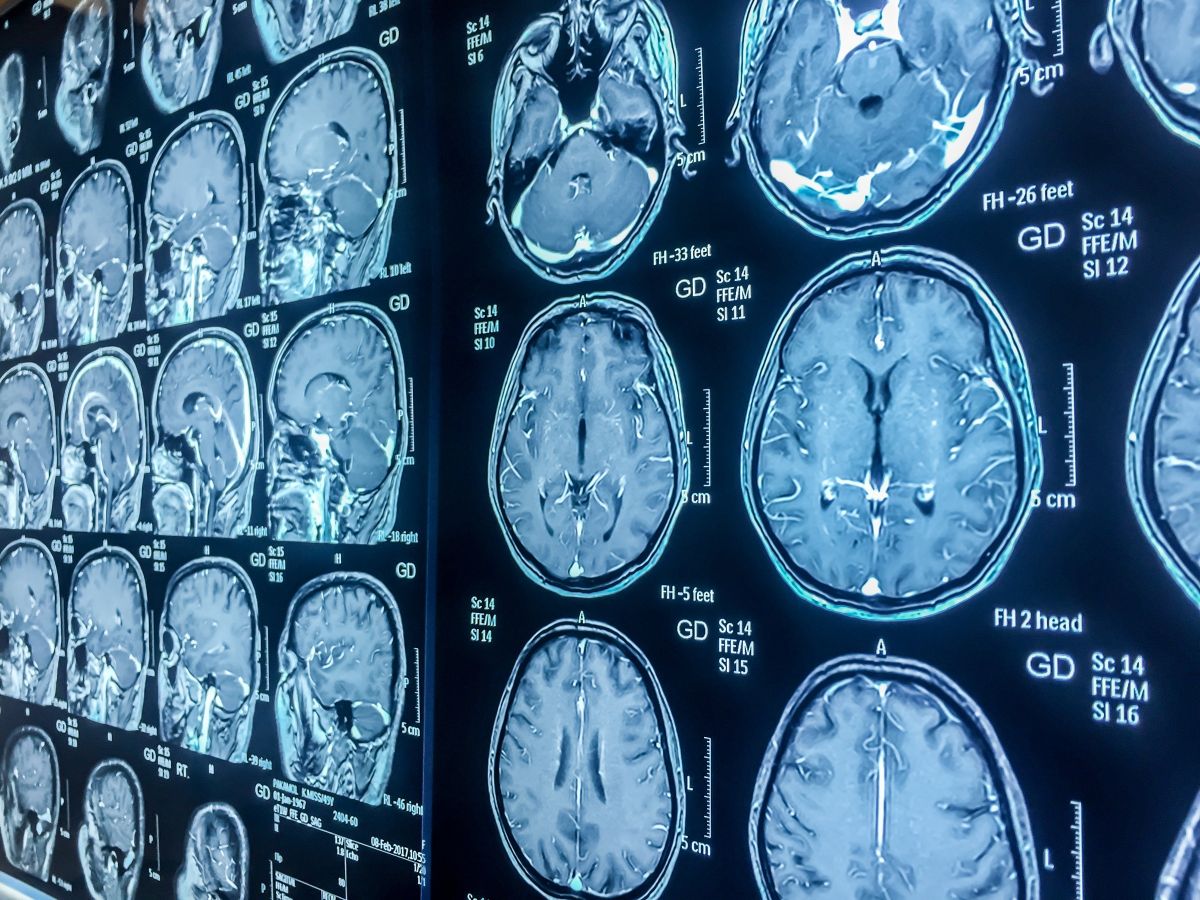
Radiosurgery is a highly advanced, non-invasive treatment option for certain conditions affecting the brain, spine, and nervous system. Using precisely focused radiation, it can target tumors and other neurological abnormalities without the incisions associated with traditional surgery.
At Haynes Neurosurgical Group, our experienced neurosurgeons combine advanced radiosurgery technologies with individualized treatment planning. We focus on identifying appropriate treatment options for your condition while considering surrounding healthy tissue and neurological function.
Stereotactic radiosurgery (SRS) is a highly targeted form of radiation therapy that delivers concentrated radiation beams to a specific area of the brain or spine. Depending on the condition, focused radiation may help:
Treatment effects may develop over time rather than immediately.
Despite its name, radiosurgery does not involve surgical incisions or the physical removal of tissue and does not require general anesthesia. Instead, advanced imaging helps direct radiation toward the affected area while limiting exposure to surrounding healthy structures.
Radiosurgery may be considered when a tumor or neurological abnormality is difficult to access through conventional surgery or when an open procedure presents additional risks.
Radiosurgery may be considered for several neurological conditions, particularly when precise treatment is needed near sensitive brain or spinal structures.

Radiosurgery can treat selected benign and malignant brain tumors, including tumors in locations that are difficult to access surgically. Focused radiation aims to control tumor growth while limiting exposure to nearby healthy brain tissue.
AVMs are abnormal connections between blood vessels that may cause neurological symptoms or bleeding. Radiosurgery directs radiation toward the abnormal vessels to encourage their gradual closure over time.
For selected patients with movement disorders, such as essential tremor or Parkinson's disease, focused radiation may target specific brain areas involved in abnormal movement to help manage symptoms.
In selected cases of drug-resistant epilepsy or seizures, radiosurgery may be considered when seizure activity originates from a specific area of the brain. Treatment aims to reduce seizure frequency or severity.
Radiosurgery can target a portion of the trigeminal nerve to help reduce severe facial pain associated with trigeminal neuralgia. Symptom relief may develop gradually, and the response varies between patients.
These benign tumors develop on the nerve involved in hearing and balance. Radiosurgery may help control tumor growth, with some tumors gradually shrinking after treatment.
At Haynes Neurosurgical Group, we combine specialized expertise with precise treatment planning to determine how radiosurgery may fit into your overall neurological care.
Established in 1954, Haynes Neurosurgical Group brings decades of experience in treating complex brain and spine conditions. Our neurosurgeons bring specialized knowledge of neurological anatomy and neurosurgical procedures that informs every stage of radiosurgery.
We assess the diagnosis, size and location of the abnormality, medical history, and imaging findings to develop a plan specific to the patient's condition. Open surgery or other treatments may be recommended when they are more appropriate.
Our treatment capabilities include Gamma Knife and CyberKnife® radiosurgery, which use focused radiation to treat selected neurological abnormalities without conventional open surgery. We maintain affiliations with many established regional hospitals, supporting access to hospital-based neurosurgical care when needed.
At Haynes Neurosurgical Group, we focus on providing clear guidance throughout your radiosurgery treatment, from the initial assessment to follow-up care.
We begin by reviewing your medical history, symptoms, and neurological condition. A physical examination and relevant imaging studies may be performed to assess the affected area and determine the appropriate next steps.
We use detailed imaging to define the treatment target and plan the radiation dose based on the abnormality's size, location, and proximity to sensitive structures. The goal is to deliver an appropriate dose to the affected area while limiting radiation exposure to surrounding healthy tissue.
During the radiosurgery procedure, positioned on a treatment table while a specialized system, such as the Gamma Knife or CyberKnife®, directs focused radiation beams toward the treatment area in the brain or spine.
Radiation delivery itself is generally painless. Treatment is often completed in a single session, although some conditions may require multiple sessions.
The specific technology, positioning method, and number of treatments depend on your diagnosis and treatment plan.
After your radiosurgery treatment, our team will closely monitor your progress through follow-up appointments and imaging studies, as appropriate for your condition. Since treatment effects may develop gradually, continued monitoring helps us assess your response, address concerns, and determine whether additional care is needed.
For appropriately selected patients, radiosurgery may offer several advantages compared with traditional open surgical procedures.
Radiosurgery treats targeted tissue without an incision, generally avoiding the surgical wound and many of the risks associated with open surgery.
Advanced imaging and focused radiation delivery help concentrate treatment on the affected area while limiting exposure to surrounding healthy tissue.
Radiosurgery can often be performed without an overnight hospital stay, allowing many patients to return home the same day.
Although radiosurgery is non-invasive, it is not without potential side effects. Depending on the treatment area, patients may experience fatigue, temporary swelling, or other radiation-related effects.
Our neurosurgeons consider the potential benefits, risks, and limitations when evaluating whether radiosurgery is suitable for your condition.
At Haynes Neurosurgical Group, we combine decades of neurosurgical experience with advanced, non-invasive treatment capabilities and individualized care for patients with complex neurological conditions.
If you are exploring radiosurgery for a brain tumor, vascular abnormality, or another neurological condition, our team can help evaluate your options and determine appropriate next steps.
To schedule a consultation with one of our experts, call us at (205) 787-8676 or request an appointment online.
Phone: (205) 787-8676
Fax: (205) 785-7944
801 Princeton Avenue, S.W.
Suite 310
Birmingham, AL 35211
Located on Floor 3 of Professional Office Building 1.


